Most people plan for life’s major milestones. We prepare for retirement, weddings, college and other important transitions. But one of the most meaningful plans a person can make is often the one most likely to be delayed: pre-planning final arrangements.
That is understandable. It is not always easy to talk about burial, cremation or how you would like to be remembered. Still, making those choices ahead of time can be one of the kindest things you do for the people you love.
Woodlawn’s emphasize a simple truth: when arrangements are made in advance, families can save time, reduce emotional stress and better understand their options before they are under pressure.
What Is Pre-Planning?
Pre-planning means making decisions about your final arrangements before they are needed. That may include choosing burial or cremation, selecting a cemetery space, considering a memorial, organizing important information and deciding how costs will be handled.
It is not about dwelling on death, it’s about creating clarity. When a family has a plan in place, loved ones do not have to guess what you would have wanted. They can move forward with confidence, knowing they are honoring your wishes. Pre-planning also gives families time to learn about choices and costs, then share those decisions with the people closest to them.
Why Pre-Planning Matters for Families
At the time of death, families are often asked to do a great deal in a very short period of time. From making calls and gathering documents to choosing services, writing an obituary and handling immediate bills, many of those tasks can be prepared for ahead of time.
Without a plan, families may need to quickly:
- Notify relatives, clergy, employers, attorneys and insurance contacts
- Make decisions about cemetery property, a memorial, flowers, music and service details
- Gather personal records and vital statistics
- Manage funeral, cemetery and other immediate expenses
Pre-planning helps ease that burden. It gives families direction during a difficult moment and replaces rushed decisions with thoughtful ones.
What Decisions Can Be Made Ahead of Time?
One of the biggest benefits of cemetery pre-planning is the ability to make decisions calmly and carefully. Instead of making choices in grief, you can make them in a quieter moment.
Some of the most important decisions include:
- Whether you prefer in-ground burial, mausoleum interment or cremation with remembrance
- Where you would like to be remembered
- Whether you would like a single space, companion arrangement or multiple plots together for family members
- The kind of memorial that feels right for you
- Service preferences such as music, flowers, obituary details and transportation
These decisions may seem small, but together they shape how a life is honored and remembered.
Burial, Mausoleum and Cremation Options to Consider
A good pre-planning conversation starts with one central question: how would you like to be remembered?
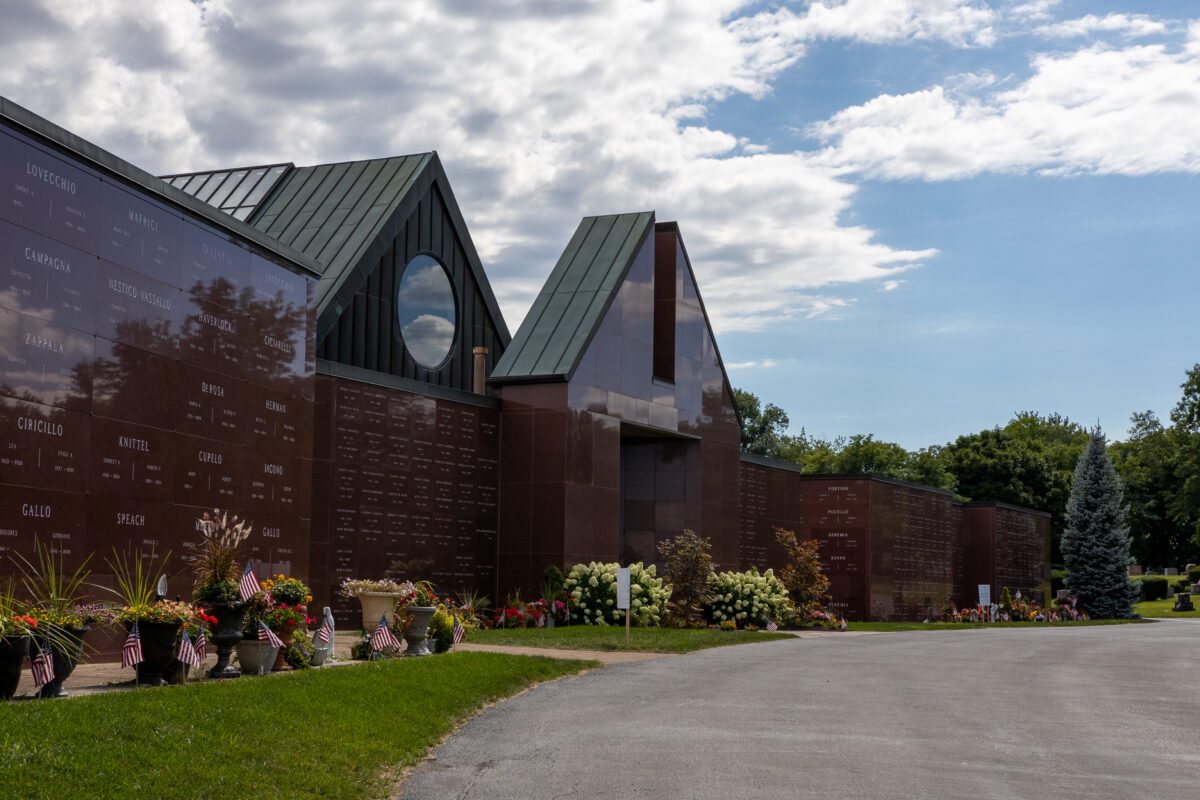
At Woodlawn, families can explore several options. Traditional in-ground burial remains important to many people. Above-ground mausoleum interment offers a lasting and accessible place for remembrance. Cremation burial and remembrance services also give families meaningful choices, including niches and in-ground burial for cremated remains. Across all of these options, Woodlawn returns to the same principle: every person should have a permanent place where future generations can come to visit and remember.
For many families, the options include:
- In-ground burial in landscaped areas or established sections
- Above-ground interment in Woodlawn’s mausoleums
- Cremation burial and remembrance through niches or burial spaces designed for cremated remains
That variety matters because no two families are the same. Pre-planning gives people time to choose what best reflects their values, traditions and budget.

What Information Should You Organize Now?
Another important part of pre-planning final arrangements is gathering the information your loved ones may need later. This can be especially helpful for older couples and for adult children helping elderly parents get organized.
There are several items families may want to collect in advance:
- Vital statistics and personal information
- Insurance details
- Social Security information
- Veterans records, when applicable
- Contact information for relatives and others who should be notified
- Notes about personal wishes for services and memorialization
Having this information in one place can spare loved ones from a frantic search during an already emotional time.
Can Pre-Planning Save Money?
Pre-planning is often about peace of mind, but it can also have financial benefits. Cemetery property generally increases in price over time. Purchasing property and paying service fees in advance may help families lock in current pricing and save money over the long term. There are also convenient interest-free payment plans, which can make the process more manageable.
That means pre-planning is not only a personal decision, it can also be a practical one.

Why Families Turn to Woodlawn for Pre-Planning
Woodlawn has served families for more than 145 years and offers guidance across in-ground burial, mausoleum interment, cremation burial and remembrance, and pre-planning services. Woodlawn takes a calm, service-centered approach: helping families understand their choices, honoring personal wishes and providing a lasting place of remembrance in peaceful, well-maintained surroundings.
Pre-planning is easier when you can ask questions, compare options and talk with people who understand both the practical and emotional sides of the process. That is why many families begin with information rather than a major decision.
Take the First Step with a Free Pre-Planning Guide
Pre-planning does not have to be overwhelming. It can begin with a conversation, a few questions and a better understanding of your options.
Woodlawn encourages families to start by requesting its free pre-planning guide. It is a simple first step, but an important one. By planning ahead, you can help protect your loved ones from unnecessary stress, make your wishes known and create a lasting plan for how you want to be remembered.